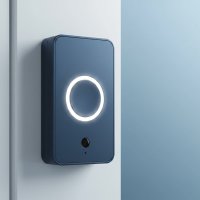
In today’s fast-paced world, the front door isn’t just an entryway; it’s the first line of defense for your sanctuary. For over a decade, I’ve seen firsthand how home security has evolved, and the smart doorbell security has emerged as a cornerstone of modern protection. If you’re looking for that extra layer of peace of mind, understanding the ins and outs of these clever gadgets is crucial. At Boctj.com, our mission is to cut through the jargon and empower you to make informed decisions about safeguarding your home. So, let’s dive into how smart doorbells aren’t just about convenience, but about robust, reliable security.
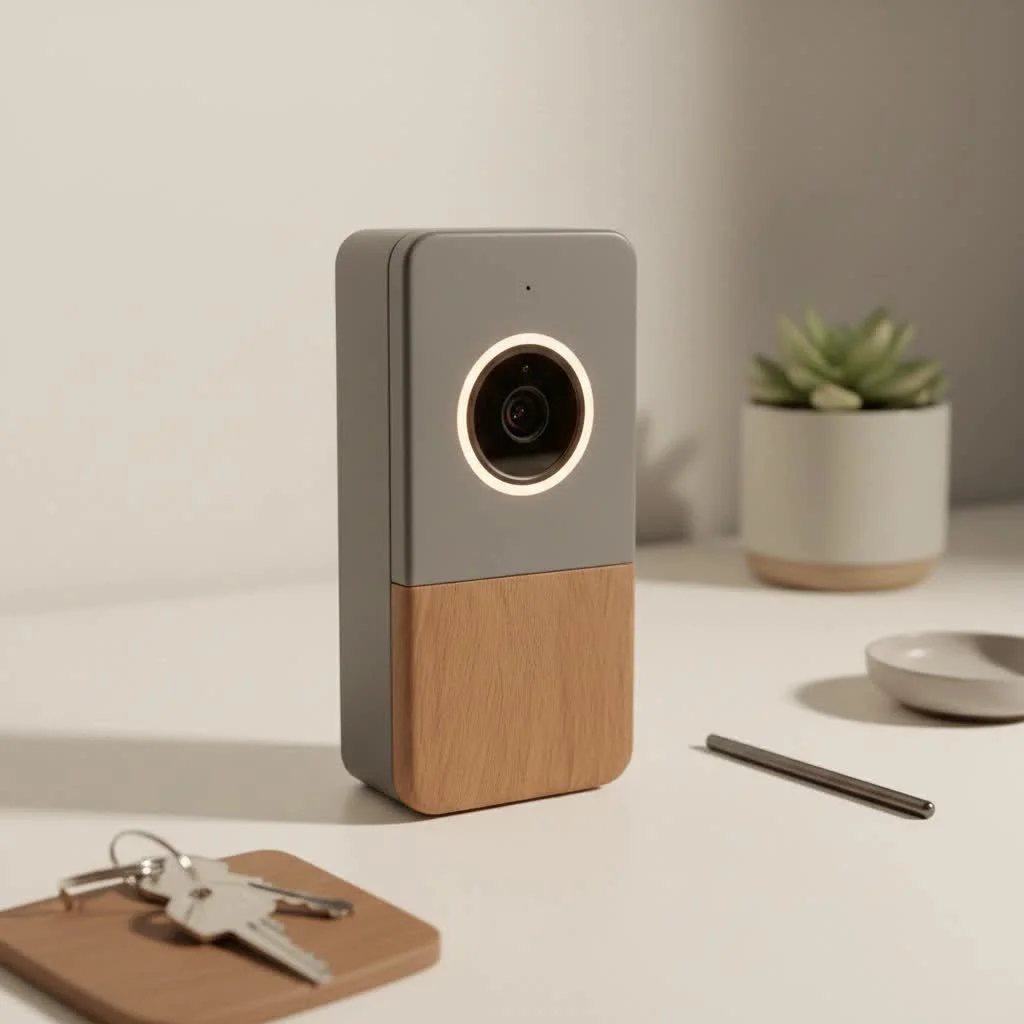
What Makes a Smart Doorbell a Security Powerhouse?
At its core, a smart doorbell isn’t just a fancy button; it’s a sophisticated guardian combining advanced video, crystal-clear audio, and intelligent detection capabilities. Think of it as your personal digital doorman, always vigilant.
High-Definition Video Surveillance
Imagine being able to see every detail, day or night, rain or shine. That’s the power of high-definition video in smart doorbells. Modern devices boast resolutions from crisp HD to stunning 2K and even 4K, ensuring you capture clear, identifiable footage. Features like High Dynamic Range (HDR) are fantastic for balancing bright sunlight and deep shadows, giving you a balanced view.
But it’s not just about resolution; the field of view is equally vital. Many smart doorbells offer expansive viewing angles, often with a wide vertical field of view, so you can see a person head-to-toe and, crucially, spot packages left right against your door. Night vision has also come a long way. Gone are the grainy, black-and-white images of old; today’s doorbells use powerful infrared LEDs and low-light sensors to deliver clear night-time footage, with some even providing color night vision, keeping you informed around the clock.
Two-Way Audio Communication
Ever wished you could answer your door when you’re not home? Two-way audio makes it a reality. Equipped with built-in microphones and speakers, smart doorbells allow you to have real-time conversations with visitors. This isn’t just about greeting guests; it’s a potent security tool. Imagine a suspicious individual casing your home; a simple “Can I help you?” through your doorbell app can often be enough to deter them. High-quality audio with noise cancellation ensures your conversations are clear, even with background street noise.
Intelligent Motion and Person Detection
One of the biggest frustrations with older security cameras was constant false alarms from passing cars or swaying tree branches. Smart doorbells have largely solved this with intelligent motion and person detection. Leveraging AI and machine learning, these devices can differentiate between people, vehicles, animals, and even packages being delivered or picked up. Many systems also allow you to set “Activity Zones” – specific areas within the camera’s view where you want motion detected. This drastically reduces unnecessary notifications, ensuring you only get alerts that truly matter. Some advanced models, like the Ecobee Smart Doorbell Camera, even incorporate radar verification for even greater accuracy, ensuring you’re alerted to actual threats, not just a stray leaf.
Cloud and Local Storage Options
|
Our Picks for the Best Smart Doorbell in 2026
As an Amazon Associate I earn from qualifying purchases.
|
||
| Num | Product | Action |
|---|---|---|
| 1 | Tapo by TP-Link Smart Video Doorbell Camera with Chime, Battery or Wired, 2K QHD Color Night Vison, No Monthly Fee, 180° Ultra-Wide Head-to-Toe View, Ring Call, Free AI Detection, Local Storage (D225) |

|
| 2 | Google Nest Doorbell (Wired, 3rd Gen) - 2K Video and Gemini, Live View, Night Vision, 2-Way Audio - Works with Google Home - 2025 Model - Snow |
|
| 3 | Anti-Theft Video Doorbell Mount Compatible with Arlo Video Doorbell/Blink Doorbell Camera, Anti-Blocks Motion Sensor, Adjustable Mounting Bracket Accessories for Houses/Apartments/Rentals-Silver |
|
| 4 | ecobee Smart Video Doorbell Camera (Wired) - with Industry Leading HD Camera, Smart Security, Night Vision, Person and Package Sensors, 2-Way Talk, and Video & Snapshot Recording |
|
| 5 | 1080p Smart Video Doorbell Camera with AI Motion Detection, Night Vision, Cloud Storage, 2 Way Audio, Battery Powered, 2.4GHz Wi-Fi Only |
|
| 6 | Arlo Video Doorbell 2K (2nd Gen, Latest Release), Wireless or Wired Option, 2-Way Audio, Night Vision, Head to Toe Video View, Package Detection, Person & Vehicle Recognition, 1-Month Secure Plan |
|
| 7 | 1080P Smart Wireless Video Doorbell Camera with AI Motion Detection, Night Vision, Two-Way Talk, Cloud Storage, Indoor/Outdoor Surveillance, Battery Powered, 2.4GHz Wi-Fi |
|
| 8 | Google Nest Doorbell (Wired, 3rd Gen) - 2K Video and Gemini, Live View, Night Vision, 2-Way Audio - Works with Google Home - 2025 Model - Hazel |
|
| 9 | Tapo TP-Link Smart Video Doorbell Camera, Chime Included, 2K 5MP, Color Night Vision, 2-Way Audio, Free AI Detection, Cloud/SD Card Storage, Works w/Alexa & Google Home, D230S1 |
|
| 10 | Tapo by TP-Link Smart Video Doorbell Camera Wireless with Chime, 2K with Full Color Night Vision & Spotlights, No Monthly Fee, Ring Call, 160° Ultra-Wide View, Free AI Detection, Local Storage,D210 |
|
What good is capturing footage if you can’t access it when you need it? Smart doorbells offer various storage solutions. Cloud storage is popular, providing easy access to video history (often 30 days or more) from anywhere, without worrying about local hardware. This is typically a subscription-based service, unlocking advanced features like package detection or rich push notifications with video clips.
However, for those conscious about ongoing costs or data privacy, many brands, such as TP-Link Tapo, offer free local storage options via microSD cards. This gives you direct control over your footage and often includes core features like live view and two-way audio without a subscription. It’s about finding the balance that suits your needs for accessibility and control.
Types of Smart Doorbells and Their Security Implications
Just like choosing the right lock for your door, selecting the right type of smart doorbell matters for your security setup. The primary distinction comes down to how they’re powered: wired or wireless.
Wired Smart Doorbells
Wired smart doorbells are the stalwarts of reliability. They connect directly to your home’s existing doorbell wiring, drawing continuous power. This means always-on recording, eliminating concerns about battery life and ensuring there are no gaps in your surveillance. For me, the peace of mind knowing my doorbell is constantly powered and recording is invaluable. They also tend to perform better in extreme temperatures, as they don’t rely on batteries that can degrade in the cold or heat. Installation typically involves connecting to your existing chime transformer, making it a straightforward upgrade for many homes. The Ecobee Smart Doorbell Camera is a prime example of a wired option built for consistent performance in various weather conditions.
Wireless (Battery-Powered) Smart Doorbells
Wireless, or battery-powered, smart doorbells offer unmatched flexibility. They’re perfect for homes without existing doorbell wiring, renters, or those who want to place a doorbell camera at a back entrance or gate. Installation is usually a breeze, often just requiring mounting and app setup. However, this flexibility comes with a trade-off: battery life. While some, like the Blink Video Doorbell, boast impressive battery longevity (up to two years), you’ll eventually need to recharge or replace batteries. This can lead to brief periods of downtime, which, from a security perspective, is a small window of vulnerability. It’s essential to monitor battery levels closely to maintain continuous protection.
Integrating Your Smart Doorbell for a Comprehensive Home Security System
A smart doorbell truly shines when it becomes part of a larger, interconnected smart home ecosystem. It’s like having multiple security guards all working in sync.
Seamless Smart Home Integration
The beauty of today’s smart doorbells is their ability to play nice with other devices. Most popular models seamlessly integrate with platforms like Amazon Alexa and Google Assistant, allowing for voice control, viewing live feeds on smart displays, and even receiving announcements when someone is at the door. Imagine telling Alexa to “show me the front door” while you’re cooking!
Beyond voice assistants, integration with smart locks (like Yale or August) takes convenience and security to the next level. You can see who’s at your door and then remotely unlock it for a trusted visitor, all from the same app. Furthermore, connecting your doorbell with other security sensors, such as those on windows or other doors, can create a comprehensive security network, triggering alerts and recordings if any entry point is breached.
Professional Monitoring and Emergency Response
For ultimate peace of mind, some smart doorbell systems offer professional monitoring as part of a subscription package. This means a dedicated team monitors your alerts 24/7. In the event of a confirmed security incident, they can directly contact emergency services on your behalf. Platforms like Ecobee Smart Security, partnering with RapidSOS, can even reduce 911 response times by providing a direct line to emergency dispatchers and sharing critical video evidence. This can be a game-changer when every second counts, turning your smart doorbell from a deterrent into an active emergency response tool.
Maximizing Your Smart Doorbell’s Security Potential
Having a smart doorbell is one thing; leveraging its full security potential is another. It’s all about smart setup and ongoing vigilance.
Optimal Installation for Wide Coverage
Think of your doorbell camera as the eyes of your home. Proper placement is paramount. Aim for a spot that offers the widest possible view of your entryway, including any areas where packages might be left. Many doorbells come with angled wedges that can adjust the viewing angle, ensuring you capture every inch that matters. A common mistake is installing it too low or too high, missing critical blind spots. My advice: experiment with the live view in your app during installation to find that perfect vantage point.
Reliable Wi-Fi is also non-negotiable for consistent performance. Ensure your doorbell is within good range of your router, and consider a dual-band Wi-Fi connection (2.4GHz and 5GHz) for stability. Manufacturers often recommend a minimum upload speed (e.g., 2 Mbps per camera) to ensure smooth video streaming and quick alert delivery.
Robust Network Security and Privacy Settings
A smart doorbell is only as secure as the network it’s connected to. Always use strong, unique passwords for your Wi-Fi and doorbell app. Enable the strongest possible Wi-Fi encryption, ideally WPA3, to protect your network from unauthorized access. Two-factor authentication (2FA) for your doorbell account is a must-have, adding an extra layer of security by requiring a second verification step.
Privacy is a significant concern for many smart home users, and rightly so. Reputable brands understand this. Look for features like on-device processing and end-to-end video encryption, which ensures your video footage is processed and encrypted before it even leaves your home, sending less raw data to the cloud. Always review the privacy policy of your chosen brand; ethical companies will explicitly state they will never sell your data.
Regular Software Updates and Maintenance
Just like your smartphone, your smart doorbell benefits from regular software updates. These updates often include critical security patches to protect against new vulnerabilities, as well as introduce new features that enhance performance and security. Make it a habit to check for and install these firmware updates promptly.
Given that your doorbell is exposed to the elements, its durability is also key to long-term security. Weather-resistant designs, often rated IP65 or higher, ensure your device can withstand heat, cold, rain, and dust. Look for robust build quality and a solid warranty as indicators of a doorbell designed for lasting protection.
Smart Doorbell Security: Popular Brands at a Glance
The smart doorbell market is bustling with innovation, with several key players offering compelling security features. While each brand has its nuances, here’s a look at some of the leaders and what they bring to the table.
Ring Doorbells
Ring, often synonymous with video doorbells, offers a wide range of devices known for their extensive features and robust ecosystem. Their doorbells frequently come with high-resolution video, advanced motion detection, and seamless integration with other Ring security cameras, alarms, and smart lighting. Many models offer 4K retinal clarity, enhancing surveillance capabilities. Their comprehensive app allows users to monitor, communicate, and manage their entire home security setup from one place.
Nest Doorbells
Google’s Nest brand offers doorbells deeply integrated into the Google Home ecosystem. They are lauded for their intelligent alerts, including familiar face recognition (with a subscription), and high-quality video. Nest doorbells often come with continuous recording options, ensuring no moment is missed, and their aesthetic design is a plus for many homeowners.
Arlo Doorbells
Arlo is a strong contender, particularly for those already invested in the Arlo camera system. Their doorbells boast excellent video quality, a wide field of view, and strong integration with other Arlo cameras for a unified security experience. Arlo often emphasizes wire-free options with long battery life, catering to flexible installation needs.
Eufy Doorbells
Eufy has gained popularity for offering many premium features without mandatory monthly subscriptions, thanks to robust local storage options. Their doorbells typically feature 2K video, AI-powered human detection, and long battery life for wireless models, making them an attractive choice for budget-conscious users who still demand high security.
Ecobee, Blink, Tapo
From our deep dive earlier, we know Ecobee stands out with its wired Smart Doorbell Camera, focusing on reliability in extreme temperatures, advanced radar detection, and strong privacy measures with on-device processing. Blink’s Video Doorbell offers impressive battery life and a head-to-toe HD view, ideal for those seeking easy wireless setup. TP-Link Tapo provides versatile options, including battery-powered and wired doorbells, with a strong emphasis on free local storage and AI detection without a subscription, offering great value.
Troubleshooting Common Smart Doorbell Security Issues
Even the best smart doorbell security system can encounter hiccups. Knowing how to quickly address common issues ensures your front door remains protected.
Dealing with False Motion Alerts
False alerts can be annoying and desensitize you to real threats. This is often due to overly sensitive motion detection settings or an improperly defined activity zone.
Solution:
- Adjust Activity Zones: Use your doorbell app to precisely define the areas you want monitored, excluding busy sidewalks or passing traffic.
- Lower Sensitivity: Reduce the motion sensitivity settings in your app.
- Leverage AI Detection: Ensure features like “person detection” or “package detection” are enabled if your doorbell offers them, as these significantly filter out irrelevant motion.
Connectivity Problems
A smart doorbell is only “smart” if it’s connected. Wi-Fi issues can lead to missed alerts, laggy video, or even complete loss of function.
Solution:
- Check Wi-Fi Signal Strength: Most doorbell apps show signal strength. If it’s weak, consider moving your Wi-Fi router closer or installing a Wi-Fi extender.
- Restart Your Router and Doorbell: A simple reboot can often resolve temporary network glitches.
- Ensure Sufficient Bandwidth: If you have many devices on your network, ensure your internet plan provides enough upload bandwidth for consistent video streaming.
Power-Related Interruptions (for wireless models)
For battery-powered doorbells, power issues are usually about battery life. Cold weather can also significantly impact battery performance.
Solution:
- Monitor Battery Levels: Regularly check the battery status in your app and charge/replace them before they run critically low.
- Consider Hardwiring: If you’re tired of battery management and have existing wiring, upgrading to a wired model could be a long-term solution.
- Cold Weather Care: In frigid climates, be prepared for more frequent battery changes or reduced performance. Some wired models are explicitly designed to handle extreme temperatures without battery concerns.
FAQs on Smart Doorbell Security
Here are some common questions about smart doorbell security that I often get asked:
Q: Do smart doorbells require a subscription for security features?
A: Not always. Many smart doorbells offer basic security features like live view, two-way audio, and motion alerts without a subscription. However, advanced features such as extended video history, package detection, or professional monitoring often require a paid subscription. Brands like TP-Link Tapo offer free local storage as an alternative to cloud subscriptions for core features.
Q: How do I protect my smart doorbell from being stolen?
A: Most smart doorbells come with proprietary mounting screws that make them difficult to remove quickly. Additionally, positioning your doorbell in a well-lit area, installing it securely, and having a functioning camera often deters theft. Many manufacturers also offer theft replacement policies.
Q: What’s the difference between wired and wireless smart doorbell security?
A: Wired doorbells connect to your home’s existing electrical wiring, providing continuous power and typically more reliable, always-on recording. Wireless doorbells are battery-powered, offering flexible installation but requiring battery maintenance. From a security standpoint, wired models offer consistent power without downtime, while wireless models provide convenience.
Q: Can smart doorbells record 24/7?
A: Most wired smart doorbells are capable of 24/7 continuous recording, though this feature often requires a subscription for cloud storage. Battery-powered doorbells typically record only when motion is detected or the doorbell is pressed to conserve battery life.
Q: How do smart doorbells handle privacy?
A: Reputable smart doorbell brands prioritize user privacy. They implement features like two-factor authentication, on-device processing, and end-to-end video encryption to protect your data. It’s crucial to read the privacy policy of your chosen device and ensure you are comfortable with how your data is handled.
The Future of Your Front Door: Enhanced Smart Doorbell Security
Stepping into the world of smart doorbell security isn’t just about adopting new technology; it’s about embracing a proactive approach to protecting your home and loved ones. From crisp HD video and intelligent detection to seamless integration with your wider smart home, these devices offer a level of vigilance and control that was unimaginable just a few years ago. As a long-time expert and content creator for Boctj.com, I can confidently say that investing in smart doorbell security is investing in invaluable peace of mind. So, take the leap, explore the options, and transform your front door into an intelligent sentinel, making your home a safer, smarter place.
Smart home that does not lock you in
Free PDF — protocol compatibility matrix for 30 hubs and devices.