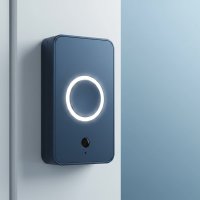
Stepping into the world of smart home technology can feel like navigating a maze, but one device stands out for its immediate and profound impact on daily life: the smart home doorbell. As someone who has spent over a decade immersed in the intricacies of home automation and security, I can tell you firsthand that upgrading to a smart home doorbell isn’t just about convenience; it’s a transformative step towards a safer, more connected home. These intelligent devices redefine what a doorbell can be, moving far beyond a simple chime to offer a robust layer of security, unparalleled peace of mind, and seamless integration into your modern lifestyle. They are, without a doubt, a cornerstone of any truly smart home setup.
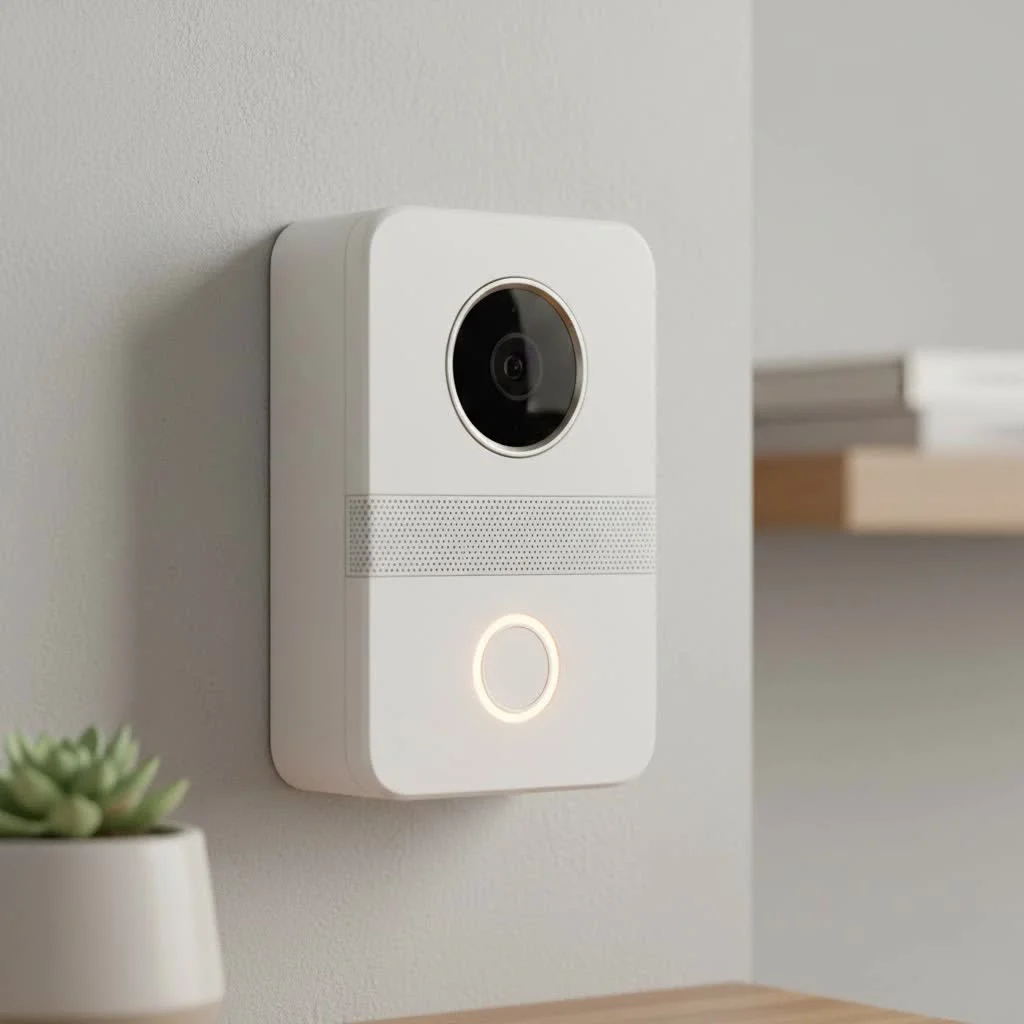
Why Every Home Needs a Smart Doorbell
The benefits of a smart home doorbell extend far beyond merely announcing visitors. They empower you with a comprehensive view and control over your home’s entryway, even when you’re miles away.
Unrivaled Security at Your Fingertips
One of the primary drivers for adopting a smart home doorbell is the significant boost in security it provides. Imagine being able to answer your door from anywhere, identifying who’s there before you even consider opening it.
- Deterring unwanted visitors: A visible camera often acts as a powerful deterrent. Potential intruders are far less likely to target a home equipped with a video doorbell, knowing their actions are being recorded.
- Monitoring packages and preventing “porch piracy”: With the surge in online shopping, package theft has become an unfortunate reality. A smart doorbell, especially those with downward-facing cameras or package detection, allows you to monitor deliveries in real-time and even communicate with delivery personnel.
- Evidence for law enforcement: In the regrettable event of suspicious activity or a break-in attempt, your smart home doorbell’s recorded footage can be invaluable. High-definition video with clear timestamps and facial recognition capabilities provides crucial evidence for police and insurance claims. This can even lead to reduced homeowners’ insurance premiums in some cases.
Seamless Convenience and Connectivity
Beyond security, the convenience offered by a smart home doorbell truly revolutionizes your daily routine.
- Remote monitoring and two-way communication: Whether you’re at work, on vacation, or simply in another room, you can see and speak to anyone at your door using your smartphone or smart display. This two-way audio feature means you never miss a visitor or a crucial delivery instruction.
- Real-time alerts and smart notifications: Forget generic “motion detected” alerts. Modern smart doorbells leverage AI to send intelligent notifications, distinguishing between people, animals, and packages. This means fewer false alarms and more relevant information delivered directly to your device.
- Integration with your smart home ecosystem: A smart home doorbell isn’t a standalone gadget; it’s a vital component of your broader smart home. It can connect with smart locks to grant remote access, trigger outdoor lights, or even pause your media system when someone rings the bell, creating a truly harmonious and responsive environment.
Decoding Smart Home Doorbell Types: Wired vs. Wireless
When choosing a smart home doorbell, one of the first decisions you’ll face is between wired and wireless models. Each has its distinct advantages, catering to different home setups and user preferences.
Wired Smart Doorbells: Power and Reliability
|
Our Picks for the Best Smart Doorbell in 2026
As an Amazon Associate I earn from qualifying purchases.
|
||
| Num | Product | Action |
|---|---|---|
| 1 | 1080p Smart Video Doorbell Camera with AI Motion Detection, Night Vision, Cloud Storage, 2 Way Audio, Battery Powered, 2.4GHz Wi-Fi Only |

|
| 2 | Google Nest Doorbell (Wired, 3rd Gen) - 2K Video and Gemini, Live View, Night Vision, 2-Way Audio - Works with Google Home - 2025 Model - Hazel |
|
| 3 | Arlo Video Doorbell 2K (2nd Gen, Latest Release), Wireless or Wired Option, 2-Way Audio, Night Vision, Head to Toe Video View, Package Detection, Person & Vehicle Recognition, 1-Month Secure Plan |
|
| 4 | Anti-Theft Video Doorbell Mount Compatible with Arlo Video Doorbell/Blink Doorbell Camera, Anti-Blocks Motion Sensor, Adjustable Mounting Bracket Accessories for Houses/Apartments/Rentals-Silver |
|
| 5 | Tapo TP-Link Smart Video Doorbell Camera, Chime Included, 2K 5MP, Color Night Vision, 2-Way Audio, Free AI Detection, Cloud/SD Card Storage, Works w/Alexa & Google Home, D230S1 |
|
| 6 | ecobee Smart Video Doorbell Camera (Wired) - with Industry Leading HD Camera, Smart Security, Night Vision, Person and Package Sensors, 2-Way Talk, and Video & Snapshot Recording |
|
| 7 | Google Nest Doorbell (Wired, 3rd Gen) - 2K Video and Gemini, Live View, Night Vision, 2-Way Audio - Works with Google Home - 2025 Model - Snow |
|
| 8 | Tapo by TP-Link Smart Video Doorbell Camera with Chime, Battery or Wired, 2K QHD Color Night Vison, No Monthly Fee, 180° Ultra-Wide Head-to-Toe View, Ring Call, Free AI Detection, Local Storage (D225) |
|
| 9 | 1080P Smart Wireless Video Doorbell Camera with AI Motion Detection, Night Vision, Two-Way Talk, Cloud Storage, Indoor/Outdoor Surveillance, Battery Powered, 2.4GHz Wi-Fi |
|
| 10 | Tapo by TP-Link Smart Video Doorbell Camera Wireless with Chime, 2K with Full Color Night Vision & Spotlights, No Monthly Fee, Ring Call, 160° Ultra-Wide View, Free AI Detection, Local Storage,D210 |
|
Wired smart doorbells connect to your home’s existing doorbell wiring. This connection provides continuous power, eliminating the need for battery charging and ensuring uninterrupted operation.
- Continuous power, no battery worries: This is the biggest draw. You won’t have to worry about your doorbell dying at an inopportune moment or scrambling to recharge it.
- Utilizes existing doorbell wiring: For many homes built with traditional doorbells, leveraging existing wiring makes installation straightforward, often simply replacing the old button.
- Often offers advanced features: Wired models can sometimes support more advanced features like 24/7 continuous recording, thanks to their constant power supply.
Wireless Smart Doorbells: Flexibility and Easy Installation
Battery-powered wireless smart doorbells offer unparalleled flexibility, making them popular for renters or homes without existing doorbell wiring.
- Battery-powered convenience: These devices operate on rechargeable batteries, offering a quick and easy installation process without the need for electrical work.
- Ideal for homes without existing wiring: If your home lacks traditional doorbell wiring, a wireless model is a perfect solution, allowing you to place it almost anywhere.
- Flexible placement: You’re not restricted by wiring, giving you more freedom to choose the optimal mounting location for the best viewing angle.
“Choosing between wired and wireless often comes down to your home’s infrastructure and your desire for constant power versus installation flexibility,” advises Dr. Eleanor Vance, Lead Engineer at Boctj.com. “Both offer excellent security, but understanding your specific needs is key.”
Essential Features of a Cutting-Edge Smart Home Doorbell
The technology packed into today’s smart home doorbells is truly remarkable. To make an informed decision, it’s crucial to understand the key features that deliver the best security and convenience.
Crystal-Clear Video and Advanced Vision
The core of any video doorbell is its camera. You need to see who’s there, clearly, day or night.
- HD/2K/1536p Resolution: Gone are the days of grainy footage. Modern smart doorbells offer crisp, high-definition video, with many delivering 2K or even 1536p resolution, ensuring you can clearly identify faces and details.
- Wide Field of View (head-to-toe): A broad viewing angle, often between 160° and 180°, is crucial. Some models even feature a 1:1 aspect ratio, allowing you to see visitors from head to toe and clearly monitor packages on your doorstep.
- Night Vision (color night vision, IR): Security doesn’t stop when the sun goes down. Infrared (IR) night vision provides clear black-and-white footage in low light, while advanced color night vision illuminates the scene for even greater detail.
Intelligent Detection and Communication
A smart doorbell’s “brain” is just as important as its “eyes.”
- AI-powered motion detection (people, pets, packages): Advanced artificial intelligence allows your doorbell to differentiate between a person, a passing car, an animal, or a package delivery. This significantly reduces irrelevant alerts, ensuring you’re only notified about what truly matters.
- Two-Way Audio with noise cancellation: Engage in clear, real-time conversations with visitors through your phone. Many models include noise cancellation, ensuring your voice is heard clearly even with ambient street sounds.
- Customizable motion zones: Define specific areas within the camera’s view that you want to monitor, ignoring high-traffic zones like a busy sidewalk. This fine-tuning further refines your alerts.
Smart Home Integration and Storage Options
A truly smart home doorbell works seamlessly with your existing devices and offers flexible data management.
- Compatibility with Alexa, Google Assistant, HomeKit: Ensure your chosen doorbell integrates with your preferred smart home ecosystem (Amazon Alexa, Google Assistant, Apple HomeKit) for voice control and unified device management.
- Cloud storage (subscription-based): Most smart doorbells offer cloud storage plans, allowing you to securely save and review video footage for a specified period (e.g., 30-60 days) for a monthly fee.
- Local storage (microSD, subscription-free options): For those who prefer to avoid recurring costs, some doorbells offer local storage via a microSD card slot, providing subscription-free video recording directly on the device.
Installing Your Smart Home Doorbell: A Step-by-Step Walkthrough
Installing a smart home doorbell can be a straightforward DIY project for most homeowners, whether you’re replacing an old doorbell or starting fresh. Here’s a general guide.
Preparing for Installation
Before you begin, a little preparation goes a long way.
- Gathering tools: You’ll typically need your new smart doorbell and its included hardware, a drill with appropriate bits, a screwdriver, a level, and your smartphone with the doorbell’s app downloaded.
- Safety first: Turn off power: This is critical. Locate your circuit breaker box and turn off the power to your existing doorbell or the area where you plan to install the new one. Always test with a voltage tester to ensure the power is off before touching any wires.
Wired Installation Made Easy
If you have existing doorbell wiring, the process is generally as follows:
- Removing the old doorbell: Unscrew your old doorbell button and carefully disconnect the wires. Take a photo of the wiring if it helps.
- Mounting bracket and connecting wires: Most smart doorbells come with a mounting bracket. Secure this to your wall or doorframe using screws and anchors. Then, connect the existing doorbell wires to the terminals on the new smart doorbell, following the manufacturer’s specific instructions.
- Chime kit and transformer considerations: Some wired smart doorbells require a “chime kit” or a transformer upgrade to ensure compatibility with your indoor chime. Install these components according to the instructions provided with your doorbell.
Wireless Installation: Simplicity Redefined
For wireless, battery-powered models, installation is even simpler:
- Charging battery: Fully charge the doorbell’s battery before installation.
- Mounting and connecting to Wi-Fi: Secure the mounting bracket and then the doorbell itself to your desired location using screws or, in some cases, strong adhesive tape. Once mounted, power it on.
Configuring Your Smart Doorbell App
Regardless of whether it’s wired or wireless, the final step involves the app.
- Connecting to Wi-Fi: Open the doorbell’s companion app on your smartphone and follow the on-screen prompts to connect the device to your home Wi-Fi network. A strong Wi-Fi signal at your front door is essential for optimal performance.
- Syncing with smartphone and testing: Complete the in-app setup, which usually involves naming your doorbell, adjusting motion settings, and inviting other household members to access the feed. Test the doorbell by pressing the button and checking for notifications and live video.
Top Smart Home Doorbell Brands to Consider in 2025
The smart home doorbell market is competitive, with several excellent brands offering reliable and feature-rich devices. As of 2025, some of the leading contenders include:
- Ring: A pioneer in the video doorbell space, Ring offers a wide range of wired and battery-powered options known for their robust app, excellent motion alerts, and seamless integration with the Amazon Alexa ecosystem.
- Google Nest Doorbell: Popular for its intelligent alerts (distinguishing people, animals, and packages), facial recognition, and tight integration with Google Home and Assistant devices. Both wired and battery versions are available.
- Arlo: Valued for its clear video quality (often 2K HDR), wide field of view, and advanced AI-powered detection, making it a strong choice for comprehensive surveillance.
- Eufy Security Video Doorbell: Stands out for its crisp 2K video and, notably, often offers local storage options with no monthly subscription fees, appealing to privacy-conscious users. Their dual-camera models are excellent for package monitoring.
- Blink: An affordable entry-level option, Blink doorbells offer straightforward installation and good basic security features, especially for those already in the Amazon ecosystem.
- Philips: Emerging as a top choice, the Philips 7000 Series offers sharp 2K video quality, ease of use, and can be used wired or wirelessly, often including a portable chime.
- Wyze: Known for budget-friendly options that still provide essential security features like 2K HD video and local recording without requiring subscriptions.
Troubleshooting Common Smart Home Doorbell Issues
Even the best technology can occasionally encounter a hiccup. Here are some common issues and quick fixes:
- Wi-Fi connectivity problems: If your doorbell is frequently offline or provides delayed notifications, check your Wi-Fi signal strength at the doorbell’s location. A Wi-Fi extender or mesh network can significantly improve performance.
- False alerts: Overly sensitive motion detection can lead to frequent, unnecessary alerts. Most doorbell apps allow you to adjust sensitivity settings, create specific motion zones, or filter alerts (e.g., only for people).
- Battery life optimization: For wireless doorbells, battery life varies greatly depending on activity and settings. To extend it, reduce motion sensitivity, decrease video recording length, and ensure your Wi-Fi signal is strong (weak signals drain batteries faster).
Frequently Asked Questions About Smart Home Doorbells
Q1: Are smart doorbells worth it?
Absolutely. A smart home doorbell offers significant benefits, including enhanced security, remote monitoring, and unparalleled convenience, making it a valuable addition to any modern home for peace of mind and connectivity.
Q2: Do smart doorbells require a subscription?
Not all of them. While many popular brands offer cloud storage and advanced features via subscription plans, some smart doorbells (like Eufy and Wyze) provide local storage options that allow you to record and review footage without any monthly fees.
Q3: Can smart doorbells work with my existing chime?
Many wired smart doorbells are designed to work with your existing mechanical or digital chime, often requiring a small “chime kit” to be installed. Wireless models typically come with their own indoor chime or can notify your smartphone and smart speakers directly.
Q4: How high should I mount my smart doorbell?
It’s generally recommended to mount your smart doorbell between 4 to 5 feet (1.2 to 1.5 meters) above the ground. This height typically provides the best viewing angle for identifying faces and detecting motion effectively, including packages on the ground.
Q5: What’s the difference between wired and wireless smart doorbells?
Wired smart doorbells connect to your home’s existing electrical wiring for continuous power, eliminating battery concerns. Wireless smart doorbells are battery-powered, offering easier installation and greater flexibility in placement, ideal for homes without existing wiring.
Elevate Your Home with a Smart Doorbell
The smart home doorbell is more than just a gadget; it’s a critical upgrade for anyone looking to enhance their home’s security, streamline daily life, and stay connected to their front door from anywhere. From deterring unwanted visitors and monitoring deliveries to providing seamless two-way communication and integrating with your wider smart home ecosystem, the benefits are clear. Investing in a smart home doorbell is an investment in peace of mind, offering you unparalleled control and awareness. Take the leap, explore the options, and experience the transformative power of a truly smart entryway. Your home, and your peace of mind, will thank you.
Smart home that does not lock you in
Free PDF — protocol compatibility matrix for 30 hubs and devices.