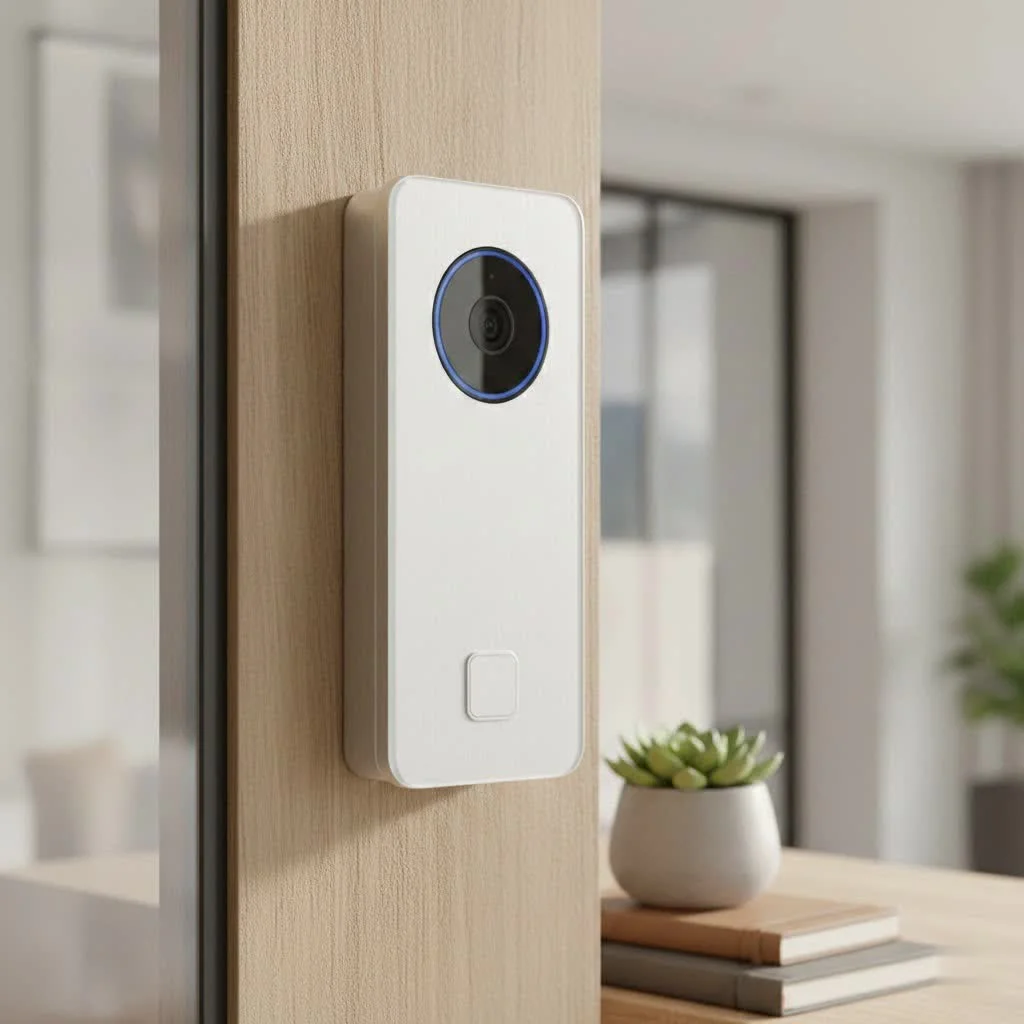
A smart home wireless doorbell significantly enhances home security and convenience by providing real-time video, two-way audio, and instant alerts directly to your smartphone, allowing you to monitor your entryway from anywhere. These devices integrate advanced features like motion detection and cloud or local storage, transforming a traditional doorbell into an intelligent extension of your home’s security system. For over a decade, these innovative gadgets have reshaped home safety and connectivity, offering immediate peace of mind.
Why a Smart Home Wireless Doorbell is a major upgrade
Security and convenience are paramount. A smart home wireless doorbell offers both in spades, acting as your ever-vigilant front-door guardian. Gone are the days of missing visitors, worrying about porch pirates, or wondering who’s lurking outside. With real-time video, two-way audio, and instant alerts, these devices bring your front door directly to your phone, giving you control and awareness like never before. It’s not just a doorbell; it’s an intelligent extension of your home’s security system, offering a critical layer of protection and comfort for you and your family. For complete smart home library on this site.
Unpacking the Different Types of Wireless Smart Doorbells
When we talk about a smart home wireless doorbell, the “wireless” aspect primarily refers to its communication method (Wi-Fi connectivity) and often its power source. While some “wireless” doorbells might still connect to existing doorbell wiring for power, many are truly wire-free when it comes to installation, running solely on batteries.
Battery-Powered Wireless Doorbells: Freedom and Flexibility
These are perhaps the most popular type of smart home wireless doorbell due to their incredible ease of installation. Battery-powered models offer unparalleled flexibility, allowing you to mount them virtually anywhere a strong Wi-Fi signal can reach, without the need for complicated wiring or electrical work. They typically feature long-lasting rechargeable batteries, often providing several months of operation on a single charge. This makes them an ideal choice for renters, those without existing doorbell wiring, or anyone looking for a quick and straightforward DIY setup.
Hardwired Wireless Doorbells: Consistent Power, Reliable Performance
While the term “wireless” might seem contradictory here, many advanced smart home wireless doorbell models are designed to be hardwired into your existing doorbell’s low-voltage electrical system for continuous power. This eliminates the need for battery changes and ensures uninterrupted operation. These doorbells still communicate wirelessly via Wi-Fi for video streaming and notifications, offering the best of both worlds: the reliability of constant power combined with the smart features and remote access of a wireless device. They are often slimmer in design, as they don’t need to accommodate a large internal battery. Some even have a small battery backup for brief power outages.
Essential Features to Look for in Your Smart Home Wireless Doorbell
Choosing the right smart home wireless doorbell involves understanding the array of features available. Here’s what you should prioritize to ensure you get the best fit for your home:
Crystal-Clear Vision: Video Resolution & Field of View
|
Our Picks for the Best Smart Doorbell in 2026
As an Amazon Associate I earn from qualifying purchases.
|
||
| Num | Product | Action |
|---|---|---|
| 1 | ecobee Smart Video Doorbell Camera (Wired) - with Industry Leading HD Camera, Smart Security, Night Vision, Person and Package Sensors, 2-Way Talk, and Video & Snapshot Recording |

|
| 2 | Tapo by TP-Link Smart Video Doorbell Camera with Chime, Battery or Wired, 2K QHD Color Night Vison, No Monthly Fee, 180° Ultra-Wide Head-to-Toe View, Ring Call, Free AI Detection, Local Storage (D225) |
|
| 3 | 1080P Smart Wireless Video Doorbell Camera with AI Motion Detection, Night Vision, Two-Way Talk, Cloud Storage, Indoor/Outdoor Surveillance, Battery Powered, 2.4GHz Wi-Fi |
|
| 4 | Anti-Theft Video Doorbell Mount Compatible with Arlo Video Doorbell/Blink Doorbell Camera, Anti-Blocks Motion Sensor, Adjustable Mounting Bracket Accessories for Houses/Apartments/Rentals-Silver |
|
| 5 | Arlo Video Doorbell 2K (2nd Gen, Latest Release), Wireless or Wired Option, 2-Way Audio, Night Vision, Head to Toe Video View, Package Detection, Person & Vehicle Recognition, 1-Month Secure Plan |
|
| 6 | Google Nest Doorbell (Wired, 3rd Gen) - 2K Video and Gemini, Live View, Night Vision, 2-Way Audio - Works with Google Home - 2025 Model - Snow |
|
| 7 | 1080p Smart Video Doorbell Camera with AI Motion Detection, Night Vision, Cloud Storage, 2 Way Audio, Battery Powered, 2.4GHz Wi-Fi Only |
|
| 8 | Tapo by TP-Link Smart Video Doorbell Camera Wireless with Chime, 2K with Full Color Night Vision & Spotlights, No Monthly Fee, Ring Call, 160° Ultra-Wide View, Free AI Detection, Local Storage,D210 |
|
| 9 | Tapo TP-Link Smart Video Doorbell Camera, Chime Included, 2K 5MP, Color Night Vision, 2-Way Audio, Free AI Detection, Cloud/SD Card Storage, Works w/Alexa & Google Home, D230S1 |
|
| 10 | Google Nest Doorbell (Wired, 3rd Gen) - 2K Video and Gemini, Live View, Night Vision, 2-Way Audio - Works with Google Home - 2025 Model - Hazel |
|
A high-definition camera is non-negotiable for any modern smart home wireless doorbell. Aim for at least 1080p resolution, though 2K or even 4K models offer superior clarity, allowing you to discern faces and details with greater precision. Equally important is the field of view. A wider angle (160-180 degrees) ensures you capture everything happening at your doorstep, while a “head-to-toe” view can be invaluable for seeing packages left on the ground.
Talk and Listen: Two-Way Audio
This feature is a cornerstone of smart doorbells. Two-way audio allows you to speak directly with visitors through your doorbell’s integrated speaker and listen to their responses via its microphone, all from your smartphone. It’s perfect for greeting guests, giving instructions to delivery personnel, or even deterring unwanted solicitors.
Always Alert: Motion Detection & Smart Alerts
Advanced motion detection is crucial. A good smart home wireless doorbell won’t just alert you to any movement; it will use AI to differentiate between people, animals, and vehicles, reducing false alarms. Features like “package detection” or “familiar faces” recognition elevate this further, providing highly relevant notifications. Customizable motion zones allow you to focus monitoring on specific areas and ignore busy streets or neighboring properties.
Your Footage, Your Way: Cloud vs. Local Storage
How your doorbell camera stores video footage is a key consideration.
- Cloud Storage: Most smart doorbells offer cloud storage, typically requiring a monthly or annual subscription. This provides convenient access to recorded videos from anywhere and protects footage even if the doorbell is damaged or stolen.
- Local Storage: Some models, like those from Eufy, offer local storage via an SD card or a connected home hub. This eliminates subscription fees and provides greater privacy, though it means footage could be lost if the device is compromised.
Seamless Living: Smart Home Ecosystem Integration
For a truly integrated experience, your smart home wireless doorbell should play nicely with your existing smart home ecosystem. Compatibility with platforms like Amazon Alexa, Google Home, or Apple HomeKit allows you to view live feeds on smart displays, receive announcements on smart speakers, and even incorporate your doorbell into automated routines.
See in the Dark: Night Vision
A significant portion of security incidents happen under the cover of darkness. Excellent night vision, whether through infrared LEDs (black and white footage) or color night vision (often enhanced by a built-in spotlight), ensures your doorbell camera provides clear visibility around the clock.
Step-by-Step: Installing and Configuring Your Smart Home Wireless Doorbell
One of the greatest appeals of a smart home wireless doorbell is its relatively straightforward installation. Here’s a general guide to get you up and running:
1. Plan Your Placement
Before you even unbox your new doorbell, consider the ideal location. Ensure it has a strong Wi-Fi signal, a clear view of your entryway, and is within a comfortable reach for visitors. If you’re replacing an existing doorbell, check for existing wiring if you opt for a hardwired wireless model.
2. Charge the Battery (for Battery-Powered Models)
If you have a battery-powered smart home wireless doorbell, fully charge the battery using the provided cable. This can take several hours, so it’s a good first step.
3. Remove Your Old Doorbell (If Applicable)
If replacing an existing doorbell, always turn off the power to your doorbell circuit at the breaker box first for safety. Then, carefully unscrew your old doorbell button and disconnect any wires.
4. Mount the Doorbell Bracket
Most smart doorbells come with a mounting bracket and screws. Use the included template to mark your drill holes, ensure the bracket is level, drill pilot holes, and secure the bracket to your doorframe or wall. For battery-powered models, some even come with adhesive options for drill-free installation.
5. Connect Wiring (for Hardwired Wireless Models)
If your doorbell uses existing wiring, connect the two low-voltage wires from your wall to the terminals on the back of your new smart home wireless doorbell. Polarity usually doesn’t matter, but always refer to the manufacturer’s instructions. Securely tighten the screws. Some wired models also come with a “chime kit” that needs to be installed inside your existing indoor chime box to bypass it or make it compatible.
6. Power On and Configure via App
Insert the fully charged battery into your doorbell (if applicable), or restore power at the circuit breaker for wired models. Download the manufacturer’s app on your smartphone and follow the on-screen instructions to connect your smart home wireless doorbell to your home’s Wi-Fi network. This process usually involves scanning a QR code on the device.
7. Test and Optimize
Once connected, test your doorbell by pressing the button to ensure it rings your smartphone app or compatible smart speaker. In the app, fine-tune settings like motion detection zones, alert preferences, and video quality to suit your needs.
Top Smart Home Wireless Doorbell Brands: A Comparative Look
The market for smart home wireless doorbell devices is robust, with several key players offering compelling options:
- Ring: A pioneer in the video doorbell space, Ring (an Amazon company) offers a wide range of battery-powered and wired-wireless options. They excel in user-friendly apps, robust motion detection (including radar-powered 3D motion on premium models), and seamless integration with Alexa. Their Ring Protect Plan is often required for full video recording and features.
- Google Nest: Known for its sleek design and intelligent AI features, Nest doorbells (from Google) offer excellent person and package detection. They integrate seamlessly with the Google Home ecosystem and smart displays. While they offer both battery and wired models, many advanced features often require a Nest Aware subscription.
- Arlo: Arlo stands out for its sharp 2K video quality, versatile power options (battery or hardwired), and broad compatibility with various smart home platforms, including Alexa, Google Assistant, and even some HomeKit integration. Their Arlo Secure subscription unlocks cloud recording and advanced detection.
- Eufy: A strong contender for those looking to avoid monthly fees, Eufy offers smart home wireless doorbell options with local storage capabilities. Their dual-camera models provide excellent coverage, eliminating blind spots, and they often include AI detection directly on the device, enhancing privacy and speed.
- Blink: Another Amazon-owned brand, Blink doorbells are known for their affordability and exceptional battery life (often running for years on AA batteries). They are easy to install and integrate well with Alexa, though some features might require a Blink Sync Module or subscription.
Each brand has its strengths, catering to different priorities, from budget-friendliness to advanced AI or local storage.
Common Smart Doorbell Hiccups and How to Fix Them
Even the best smart home wireless doorbell can encounter occasional issues. Here are some common problems and straightforward troubleshooting tips:
Wi-Fi Connectivity Issues
Problem: Delayed notifications, choppy video, or disconnection.
Solution: Ensure your Wi-Fi router is close enough to your doorbell for a strong signal. Consider a Wi-Fi extender or a mesh Wi-Fi system if your doorbell is far from the router or separated by thick walls. Rebooting your router and doorbell can often resolve temporary glitches.
Battery Drain (for Battery-Powered Models)
Problem: Battery needs recharging too frequently.
Solution: High motion activity, frequent live view access, and extreme temperatures can accelerate battery drain. Reduce motion sensitivity, optimize motion zones to focus on critical areas, and limit unnecessary live viewing. Ensure the battery is fully charged during each cycle.
False Motion Alerts
Problem: Receiving too many unnecessary notifications (e.g., from passing cars, pets, trees).
Solution: Adjust your doorbell’s motion sensitivity settings in the app. Utilize customizable motion zones to exclude busy areas. If available, enable person or package detection to filter out irrelevant movements.
Audio Problems
Problem: Difficulty hearing visitors or them hearing you.
Solution: Check the volume settings for both the speaker and microphone in the doorbell app. Ensure there’s no obstruction over the microphone or speaker. A weak Wi-Fi signal can also affect audio quality, so try improving connectivity.
The Future of Your Front Door
“The evolution of the smart home wireless doorbell isn’t just about security; it’s about creating a more intuitive and responsive gateway to your home,” explains Dr. Evelyn Reed, a renowned smart home technology architect. “From enhanced AI that predicts visitor intent to seamless integration with autonomous delivery systems, these devices are setting the stage for truly intelligent entryways. Investing in a quality wireless smart doorbell today means you’re not just buying a gadget, you’re embracing the future of home connectivity and peace of mind.”
Frequently Asked Questions (FAQ)
Q: Do I need an existing doorbell chime for a smart home wireless doorbell?
A: No, many battery-powered smart home wireless doorbell models don’t require an existing chime. They typically send notifications directly to your smartphone, and many can pair with a separate wireless chime that plugs into an outlet, or even integrate with smart speakers to announce visitors.
Q: How long does the battery last on a battery-powered smart home wireless doorbell?
A: Battery life varies significantly by model and usage, but most reputable battery-powered smart home wireless doorbell devices can last anywhere from 1 to 6 months on a single charge under normal use. Factors like frequent motion alerts and live viewing will reduce this duration.
Q: Can a smart home wireless doorbell record continuously?
A: Most wireless doorbells, especially battery-powered ones, are designed to record only when motion is detected or the doorbell button is pressed to conserve battery life. Some hardwired wireless models, particularly those with a continuous power supply and a subscription, may offer 24/7 continuous recording.
Q: What happens if my Wi-Fi goes down?
A: If your Wi-Fi network goes down, your smart home wireless doorbell will lose its ability to send notifications to your phone, stream live video, or save recordings to the cloud. However, some models with local storage can still record locally during an outage, and the physical doorbell button might still trigger an internal chime if connected.
Q: Are smart home wireless doorbells difficult to install for a DIYer?
A: No, most battery-powered smart home wireless doorbell models are designed for very easy DIY installation, often taking less than 30 minutes with basic tools. Hardwired wireless models are also manageable for many, especially if existing doorbell wiring is present, but always prioritize safety and consult an electrician if unsure.
Conclusion
Choosing a smart home wireless doorbell is a decision that elevates your home’s security, convenience, and overall smart home experience. From its effortless installation to its advanced features like crystal-clear video, intelligent motion detection, and two-way audio, this device acts as your vigilant sentry, providing unparalleled peace of mind. By considering the various types, essential features, and top brands, you can confidently select the perfect smart home wireless doorbell to safeguard your front door and stay connected to your home, no matter where life takes you. Take the leap and improve your entryway into a smarter, safer space—you’ll wonder how you ever lived without it.
Frequently Asked Questions
Do I need an existing doorbell chime for a smart home wireless doorbell?
No, many battery-powered smart home wireless doorbell models do not require an existing chime. They typically send notifications directly to your smartphone, and can often pair with a separate wireless chime or integrate with smart speakers to announce visitors.
How long does the battery last on a battery-powered smart home wireless doorbell?
Battery life varies significantly by model and usage, but most reputable battery-powered smart home wireless doorbell devices can last anywhere from 1 to 6 months on a single charge under normal use. Factors like frequent motion alerts and live viewing will reduce this duration.
Can a smart home wireless doorbell record continuously?
Most wireless doorbells, especially battery-powered ones, are designed to record only when motion is detected or the doorbell button is pressed to conserve battery life. Some hardwired wireless models, particularly those with a continuous power supply and a subscription, may offer 24/7 continuous recording.
What happens if my Wi-Fi network goes down?
If your Wi-Fi network goes down, your smart home wireless doorbell will lose its ability to send notifications to your phone, stream live video, or save recordings to the cloud. However, some models with local storage can still record locally during an outage, and the physical doorbell button might still trigger an internal chime if connected.
Are smart home wireless doorbells difficult to install for a DIYer?
No, most battery-powered smart home wireless doorbell models are designed for very easy DIY installation, often taking less than 30 minutes with basic tools. Hardwired wireless models are also manageable for many, especially if existing doorbell wiring is present, but always prioritize safety and consult an electrician if unsure.
Installing and Configuring Your Smart Home Wireless Doorbell
This guide provides a general step-by-step procedure for installing and configuring a smart home wireless doorbell, covering both battery-powered and hardwired models.
Before unboxing, identify the ideal location for your doorbell. Ensure it has a strong Wi-Fi signal, a clear view of your entryway, and is within comfortable reach for visitors. If replacing an old doorbell, check for existing wiring if you choose a hardwired model.
Use the provided mounting bracket and screws. Mark drill holes with the included template, ensure the bracket is level, drill pilot holes, and securely attach the bracket to your doorframe or wall. Battery-powered models may also offer adhesive options for drill-free installation.
For hardwired models, connect the two low-voltage wires from your wall to the doorbell's terminals (polarity usually doesn't matter, but check instructions). For battery-powered models, fully charge the battery using the provided cable, which can take several hours.
Insert the charged battery or restore power at the circuit breaker. Download the manufacturer's app and follow on-screen instructions to connect your doorbell to your home's Wi-Fi network, often by scanning a QR code on the device.
Once connected, press the doorbell button to confirm it rings your smartphone app or smart speaker. Use the app to fine-tune settings such as motion detection zones, alert preferences, and video quality to best suit your home's needs.
Smart home that does not lock you in
Free PDF — protocol compatibility matrix for 30 hubs and devices.
I’ve been looking into these for a while, and the mention of cloud storage really sold me on getting one. It’s so convenient to have all the recordings backed up without needing a separate device. Installation was pretty straightforward, and the instant alerts to my smartphone are fantastic. My only minor gripe is that the app can be a little slow to load sometimes.
This device has truly transformed our home’s security system. The integration with other smart home gadgets was seamless, and I love being able to see who’s at the door even when I’m in the backyard. The advanced features like motion detection are incredibly accurate, and it’s given me so much peace of mind knowing my home is always monitored.
I finally upgraded to a smart home wireless doorbell after reading about the real-time video and two-way audio features. It’s been a game-changer for package deliveries! I can talk to the delivery person even when I’m not home, which has saved me from missed packages and potential porch pirates. The motion detection is super sensitive, which is great for peace of mind.
I got a smart home wireless doorbell mainly for the convenience of monitoring my entryway from anywhere. While the video quality is good and the alerts are prompt, I’ve had some issues with the battery life. It seems to drain faster than I expected, especially with frequent motion detection. I wish it held a charge longer, but otherwise, it’s a solid device.